

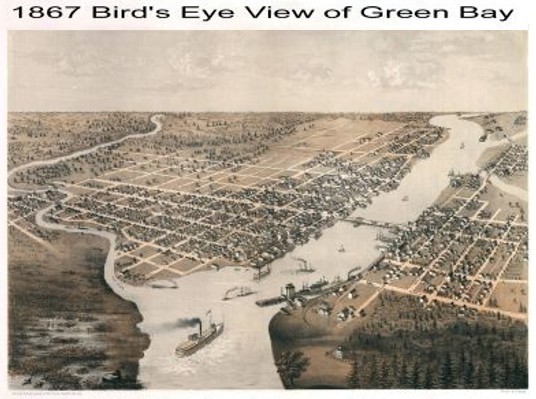
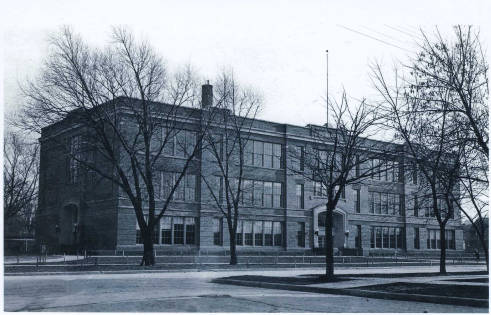
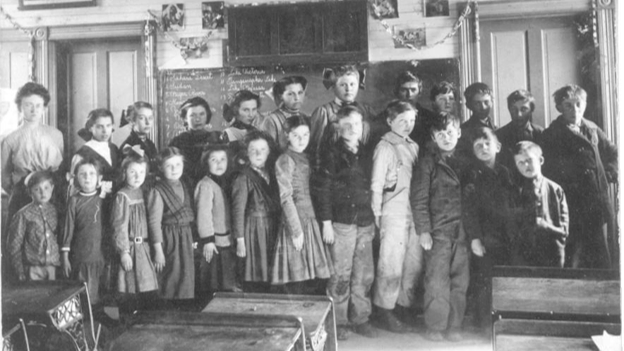
Although we are headquartered in Green Bay, Brown County Wisconsin, our society's mission encompasses all of the surrounding counties.
Our society was founded in 1975 to educate people in genealogical research techniques and to make historical and genealogical material available to the general public. We locate and compile original materials and acquire donations of genealogical books and other materials including cemetery listings.
In addition to Brown County, Wisconsin we also welcome researchers interested in the surrounding counties of Calumet, Door, Kewaunee, Oconto, Outagamie and Shawano counties.
We are pleased to hold several educational sessions throughout the year, currently online via Zoom. If you are interested in learning more about our events, see our calendar page for more information.
Brown County is one of Wisconsin's original two counties, originally spanning the entire eastern half of the state when created in 1818, so the area is rich in resources for you to discover.
The society also has a Facebook page where you can ask questions and seek help. Find us at Bay Area Genealogical Society on Facebook
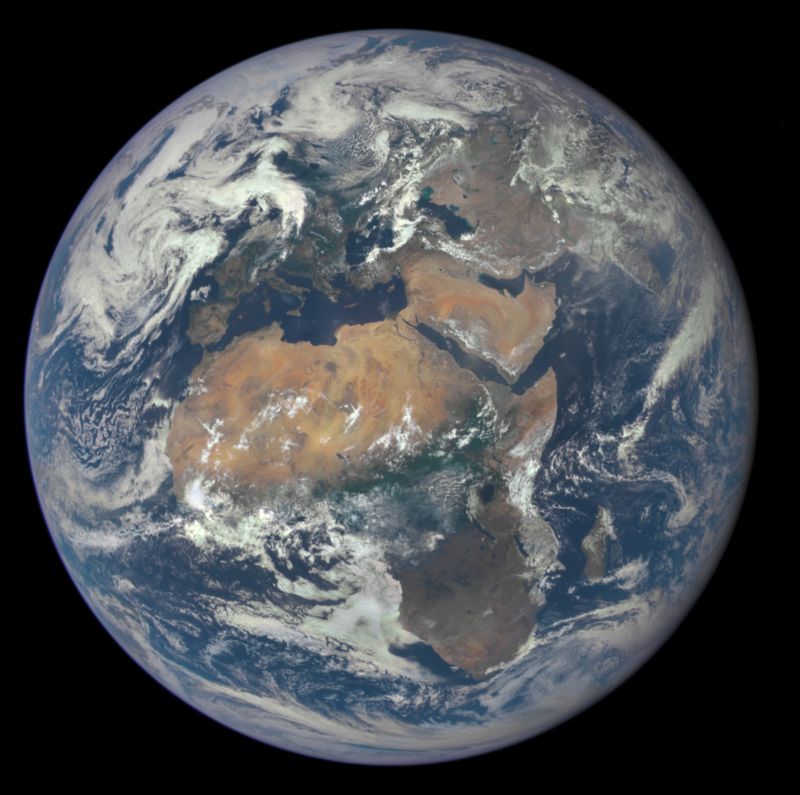
Oxygen production
Trees produce oxygen through the process of photosynthesis, which involves taking in carbon dioxide and releasing oxygen into the atmosphere.

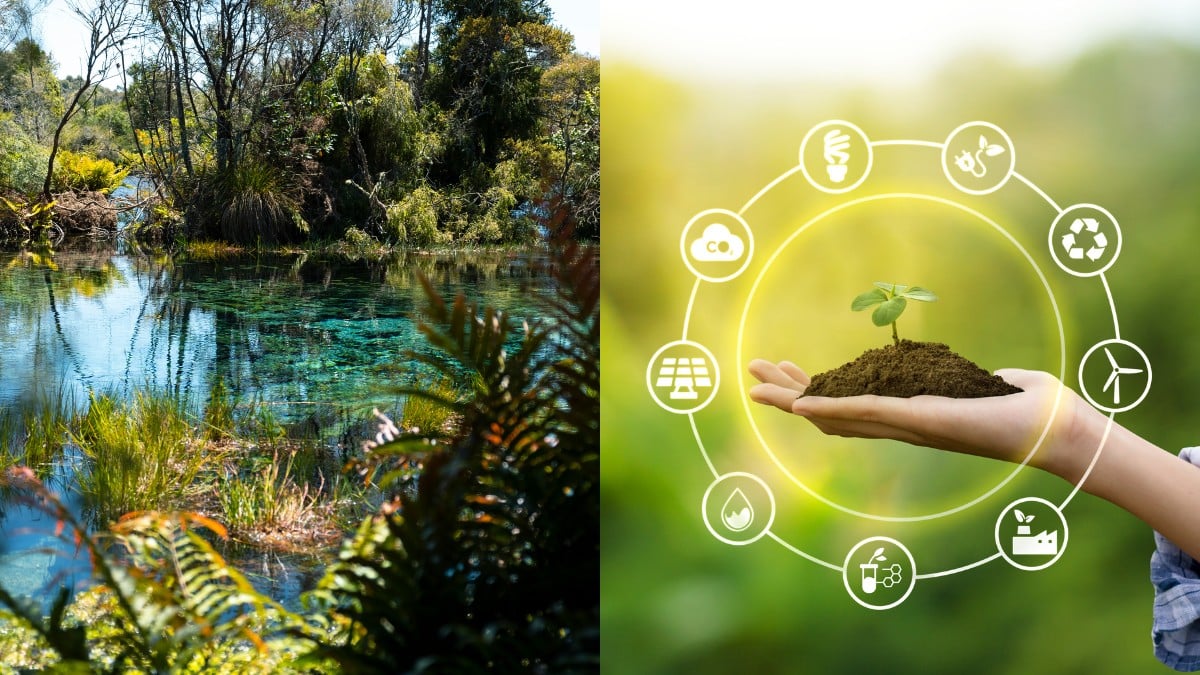
Ecosystem
Trees provide habitat for a variety of wildlife, including birds, insects, and mammals. They also provide food and shelter for many species, helping to maintain the delicate balance of the ecosystem.Trees provide habitat for a variety of wildlife, including birds, insects, and mammals. They also provide food and shelter for many species, helping to maintain the delicate balance of the ecosystem.
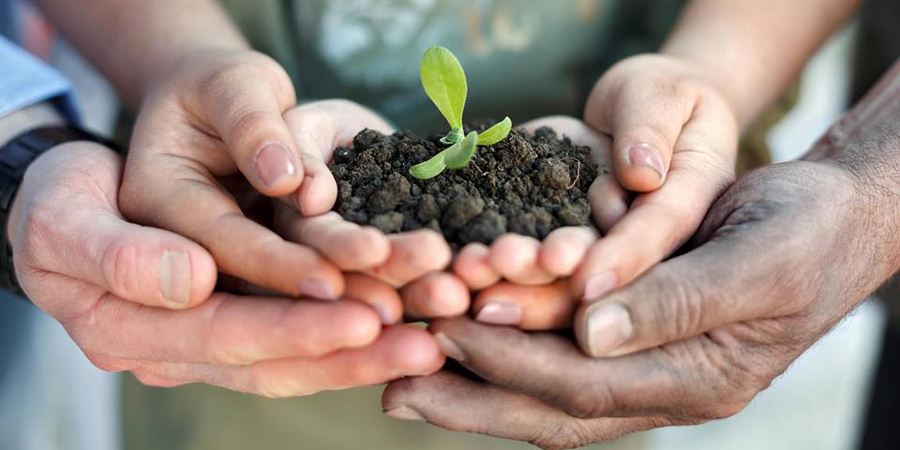
Soil protection
Trees help to prevent soil erosion by holding the soil in place with their roots. This helps to maintain healthy soils and prevent nutrient loss.Trees help to prevent soil erosion by holding the soil in place with their roots. This helps to maintain healthy soils and prevent nutrient loss.

Water regulation
Trees help to regulate the water cycle by absorbing water from the ground and releasing it into the atmosphere through transpiration. This helps to maintain healthy watersheds and prevent floods and droughts.Trees help to regulate the water cycle by absorbing water from the ground and releasing it into the atmosphere through transpiration. This helps to maintain healthy watersheds and prevent floods and droughts.

Aesthetic value
Trees provide beauty and visual interest to our landscapes. They can be used to create shade, windbreaks, and privacy screens, and they can also increase property values.Trees provide beauty and visual interest to our landscapes. They can be used to create shade, windbreaks, and privacy screens, and they can also increase property values.
Facts about forest
Plants and animals
Forests are home to more than half of the world's terrestrial species of plants and animals.
Forests fact
Forests cover more than 30% of the Earth's land area.
Fuelwood
Forests are also a major source of livelihood for millions of people around the world, providing timber, fuelwood, and other forest products
Trees
Trees in forests absorb carbon dioxide from the atmosphere and store it in their trunks, branches, and leaves, helping to reduce greenhouse gas emissions and prevent global warming.
Flooding and droughts
Forests play a critical role in regulating the water cycle by absorbing and storing water from rainfall and releasing it slowly over time, helping to prevent flooding and droughts.